
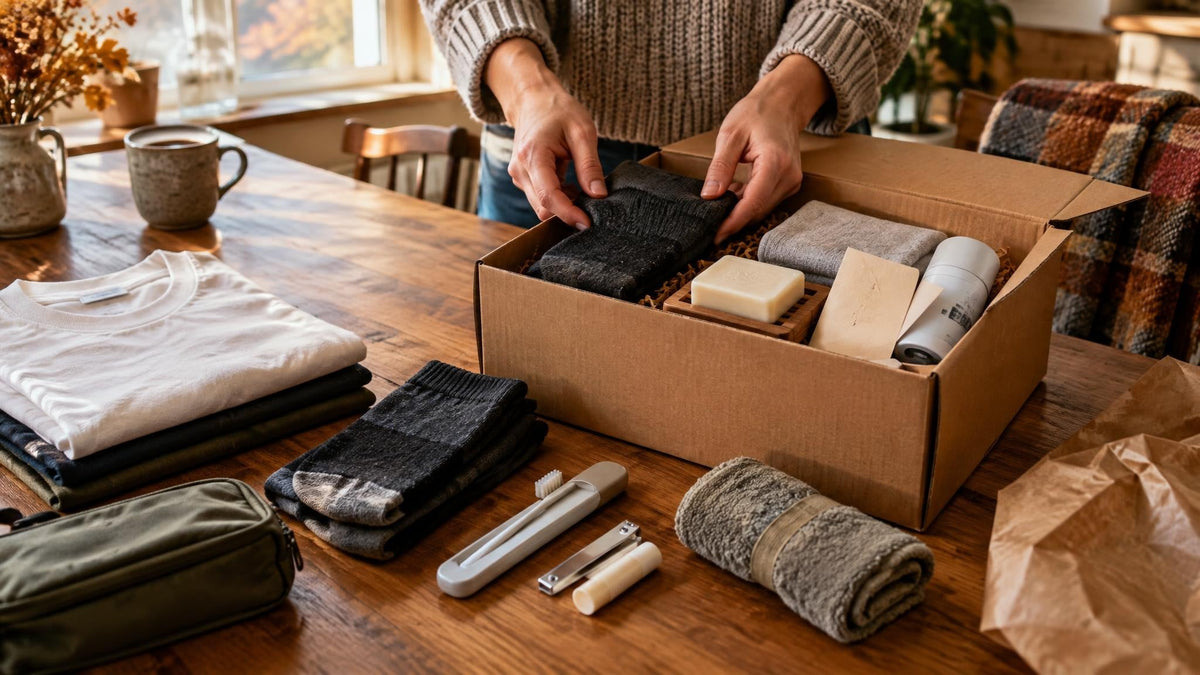
A good care package does not need to arrive like a parade float. It needs to open with a few useful things, a little comfort, and no mystery object that makes the recipient ask, “Why did somebody mail me this?”
With Veterans Day coming up on Wednesday, November 11, a practical grooming care package is a thoughtful way to support a veteran, service member, student, traveler, or anyone living through a demanding stretch. The trick is to pack for real life: limited space, unpredictable schedules, shared bathrooms, cold weather, and the eternal human battle against one missing sock.
Here is how to build one that feels personal without becoming a box of random stuff.
Start with the recipient, not the basket
Before buying anything, ask three questions: Where will this person use it? What do they already have? What small inconvenience keeps showing up?
A care package for someone in a dorm room will look different from one for a veteran at home, a service member living in temporary quarters, or a traveler moving between hotels. Some people want fragrance-free products. Some prefer a particular scent. Some have strict space limitations. Some already own six toiletry bags and do not need a seventh one shaped like a tactical pineapple.
If you can ask, ask. If you cannot, choose compact, familiar, easy-to-use items and avoid anything that depends on a specific appliance, storage setup, or personal preference.
The five useful zones of a grooming care package
1. Wash
Include one dependable soap or body-wash option. A bar soap is compact, does not require a bottle, and works well when the recipient has access to a shower or sink. Choose a scent carefully. Warm woods, clean citrus, or an unscented option are usually easier to give than something aggressively sweet or heavy.
Do not send five varieties unless you know the person enjoys sampling scents. One good bar beats a fragrance tournament in a cardboard box.
2. Odor control
A deodorant stick is a sensible addition because it is small, familiar, and useful on long workdays, travel days, and every other day when a shirt starts making executive decisions.
Remember that deodorant and antiperspirant are not the same thing. If the recipient specifically needs sweat reduction, choose a product labeled for that purpose. If the goal is everyday odor management, a regular deodorant can fit the kit.
3. Hands and small emergencies
Hand care earns its space quickly. Consider adding a small hand soap, travel-size hand sanitizer where appropriate, nail clippers, lip balm, and a compact pack of tissues. These are not glamorous gifts, but neither is discovering that you have a torn cuticle and no way to deal with it.
For anything used on skin, follow the product directions and consider the recipient’s preferences or known sensitivities. A care package should make life easier, not create a research project.
4. Laundry and clothing support
Clean grooming supplies cannot rescue a damp shirt sealed in a bag for three days. Add two or three pairs of quality socks, a lightweight T-shirt, or a small laundry bag if you know those items will be useful.
A breathable bag is especially helpful for separating worn clothing from clean clothing. Do not seal damp gear in an airtight pouch and call it organization. That is merely fermentation with handles.
5. Comfort
Include one item that is not strictly practical: a favorite snack, tea, coffee, paperback, puzzle book, photo, or handwritten note. The note matters more than the packaging. It can be short. “Thinking of you. Hope this makes the week a little easier” is enough.
A care package is not a performance review. It is a small reminder that somebody took the time to think about the recipient as a person.
What not to pack
- Oversized bottles: They consume space, add weight, and may leak into the socks.
- Strongly scented products: Fragrance is personal, especially in shared spaces.
- Messy liquids: If it can open under pressure, place it in a sealed bag or choose a solid alternative.
- Fragile decorations: The shipping box has already lived a difficult life before it reaches the recipient.
- Anything restricted: If the package is going to an active-duty recipient, check current mailing rules and destination guidance before sending food, liquids, batteries, or specialty items.
- Novelty junk: If it exists mainly to make the sender laugh for six seconds, it probably does not belong in the box.
Pack it so the useful things stay useful
- Line the box. Use kraft paper, a clean towel, or soft clothing as padding.
- Bag anything that could leak. One sealed pouch can save the entire shipment.
- Put heavy items on the bottom. Soap and grooming tools should not crush snacks or a note.
- Keep the first-use items near the top. A recipient should not have to excavate the box with a butter knife.
- Add a simple inventory note. List what is included and mention anything that needs refrigeration, special care, or immediate use.
If you are shipping the package, choose sturdy containers and check the carrier’s requirements. If you are handing it over in person, use a reusable tote or small duffel so the container becomes part of the gift instead of becoming tomorrow’s recycling.
Make the grooming portion feel intentional
The best care packages have a clear point of view. Maybe the theme is “long week survival,” “cold-weather essentials,” “small bathroom, no nonsense,” or “everything you need after a long day.” A theme helps you avoid tossing in unrelated products until the box reaches maximum density.
For a grooming-focused package, keep the core simple: one soap, one deodorant, one hand-care item, one towel or clothing item, and one comfort item. That is enough to feel complete without asking the recipient to find storage for a miniature department store.
If the person uses bar soap, include a way to keep it from sitting in a puddle. A draining soap dish or soap rest helps the bar dry between uses and keeps the bottom of the package from becoming unexpectedly damp.
The handoff matters more than the haul
Do not turn the package into a speech about how hard the recipient works, how tough they are, or how they should be grateful for a box of toiletries. Keep the focus on appreciation and usefulness.
Say what you mean. Thank them. Ask how they are doing. If the package is for someone you know well, include one familiar item that proves you were paying attention: their preferred coffee, a favorite snack, a scent they already use, or the brand of socks they swear are the only socks worth wearing.
Good care packages are not about buying the most. They are about noticing the friction in somebody’s day and removing a little of it.
If you want to build the grooming portion without guessing at every item separately, browse The Rub savings bundles for practical soap-and-deodorant combinations that can give the package a useful core without turning it into a clutter shipment. Pack with intention, write the note, and remember: support does not need a marching band. Sometimes it just needs good soap and a clean pair of socks.